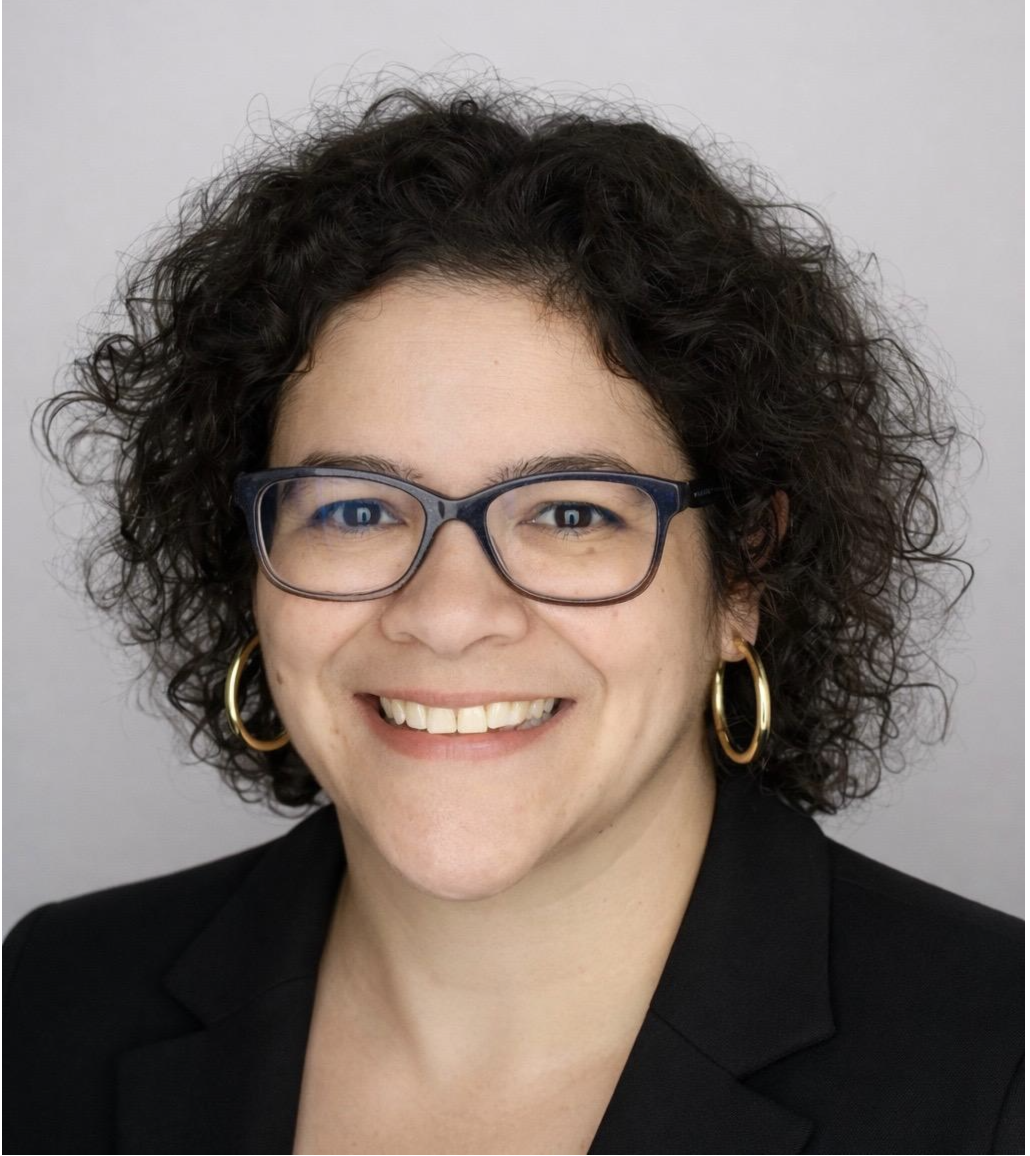
Dr. Alexza Gutierrez, DSW, LCSW, RPT-S
With more than 20 years of clinical experience and over 10 years of supervisory experience, I believe that developing compassionate, competent, and confident mental health professionals requires a thoughtful balance of education, experiential learning, reflective practice, and meaningful mentorship.
My goal as a clinical supervisor is to create a supportive and intellectually engaging environment where clinicians feel encouraged to ask questions, explore new perspectives, strengthen their clinical judgment, and develop an authentic professional identity.
I am particularly passionate about helping clinicians understand the emotional, developmental, and relational experiences of children, adolescents, and families while developing interventions that are responsive to their unique needs.
My supervision approach
My supervision style is supportive, experiential, relational, developmental, and practice-focused. I believe clinicians learn most effectively when they have opportunities to connect theoretical knowledge with real-world clinical experiences, engage in meaningful reflection, and receive honest, constructive, and respectful feedback.
I approach supervision as a collaborative process that honors each clinician's developmental stage, individual learning needs, professional strengths, and areas for continued growth.
Rather than focusing exclusively on which therapeutic intervention to use, I encourage supervisees to explore the clinical reasoning behind their decisions. Together, we examine why a particular intervention may be appropriate, how it aligns with the client's developmental and relational context, and how it can be adapted to meet the needs of the individual, child, or family.
My supervisory approach places particular emphasis on understanding children within the context of their developmental experiences, attachment relationships, family systems, and environments. I enjoy helping clinicians recognize how children communicate their emotional experiences through play and develop developmentally appropriate, relationship-based interventions.
I also believe that supervision is an opportunity to strengthen professional self-awareness, ethical decision-making, clinical confidence, and the ability to navigate complex therapeutic situations with curiosity and intentionality.
Professional background
Doctor of Social Work (DSW), New York University
Master of Social Work (MSW), New York University
Bachelor of Social Work (BSW), Cornell University
Licensed Clinical Social Worker (LCSW)
Registered Play Therapist–Supervisor (RPT-S)
More than 20 years of clinical experience
More than 10 years of supervisory experience
Extensive experience supporting children, adolescents, and families
Clinical orientation emphasizing developmental, relational, and family systems approaches
Clinical populations
Children and adolescents
Young adults and college students
Adults
Families
Individuals navigating developmental and emotional challenges
Individuals experiencing attachment and relational difficulties
Therapeutic approaches
Play Therapy
Family Play Therapy
Person-Centered Therapy
Attachment-Based Therapy
Psychodynamic Therapy
Cognitive Behavioral Therapy (CBT)
Dialectical Behavior Therapy (DBT)–Informed Approaches
Family Systems Therapy
Trauma-Informed Care
Relational and Developmental Approaches
Integrative and Eclectic Psychotherapy
Supervision interests
Child and adolescent psychotherapy
Play therapy and therapeutic play interventions
Family play therapy
Developmentally appropriate clinical interventions
Attachment-informed case conceptualization
Family systems and relational dynamics
Experiential clinical learning
Ethical clinical decision-making
Integration of clinical theory and practice
Professional identity development
Teaching and clinical education
Areas of clinical expertise
Childhood and adolescent emotional development
Play therapy and emotional expression through play
Anxiety and stress management
Depression and mood-related concerns
Trauma and adverse childhood experiences
Grief, loss, and bereavement
Attachment and relational concerns
Parent-child relationships
Family dynamics and functioning
Interpersonal and relationship difficulties
Life transitions and adjustment
Developmental and emotional challenges
Understanding children's emotional and behavioral communication
Relationship-based therapeutic interventions
Career exploration and professional development
Areas of supervisory support
Clinical skill development
Advanced case conceptualization
Developmentally appropriate intervention selection
Treatment planning and clinical reasoning
Play therapy–informed clinical education
Understanding family systems
Attachment-informed therapeutic practice
Ethical decision-making
Professional identity development
Clinical self-awareness and reflective practice
Experiential learning and skills practice
Integration of theory and clinical application
Teaching, academia, and clinical education
Professional confidence and competency development
About me
I am a Doctor of Social Work, Licensed Clinical Social Worker, and Registered Play Therapist–Supervisor with more than two decades of clinical experience and over a decade of supervisory experience.
I earned my Doctor of Social Work and Master of Social Work degrees from New York University and completed my undergraduate education at Cornell University.
Throughout my professional career, I have developed a deep appreciation for the importance of understanding individuals within their developmental, relational, familial, and environmental contexts.
I am especially passionate about working with children, adolescents, and families through play therapy, person-centered approaches, relational interventions, and family play therapy.
Children often communicate their experiences in ways that extend beyond verbal expression. Play can provide a meaningful window into a child's emotional world, offering opportunities to understand their experiences, needs, relationships, and perspectives in developmentally appropriate ways.
My clinical interests center on helping children and families strengthen emotional connections, navigate challenges, and develop healthier ways of relating to one another. I recognize that supporting a child's emotional well-being often involves understanding and responding to the needs of the broader family system.
My integrative clinical orientation allows me to draw from multiple therapeutic frameworks while remaining attentive to each client's developmental stage, individual experiences, relational dynamics, and therapeutic goals.
Beyond direct clinical practice, I am deeply committed to clinical education, supervision, and the professional development of emerging mental health professionals. I value helping clinicians bridge the gap between theoretical knowledge and practical application while developing the confidence to approach clinical work thoughtfully, ethically, and compassionately.
My commitment to developing clinicians
I believe that effective supervision extends far beyond case consultation or the completion of administrative requirements. It is an opportunity to cultivate clinical curiosity, strengthen professional judgment, and develop a deeper understanding of the person we bring into the therapeutic relationship.
As a supervisor, I am committed to creating an environment where clinicians feel comfortable discussing challenging cases, acknowledging uncertainty, celebrating successful interventions, and exploring opportunities for continued growth.
I place a strong emphasis on experiential learning because I believe that clinicians benefit from opportunities to actively practice therapeutic skills, reflect on their experiences, and receive meaningful feedback that supports their development.
My goal is to help supervisees move beyond simply learning therapeutic techniques and develop a deeper understanding of the clinical principles that guide their work.
This is particularly important when working with children and families, where effective interventions require an appreciation for developmental differences, attachment experiences, family relationships, and the unique ways children communicate their emotional needs.
At Feelings First Counseling, my goal is to contribute to a clinical training environment that values professional excellence, ethical practice, meaningful mentorship, and the integration of compassionate care with thoughtful clinical reasoning.
I am passionate about supporting the next generation of clinicians as they develop the skills, confidence, and professional identities necessary to provide individualized and developmentally responsive care.
What you can expect from supervision
Supervision with me is a collaborative, reflective, supportive, and practice-focused learning experience.
I encourage supervisees to bring challenging cases, successful interventions, clinical questions, and moments of uncertainty into our conversations. Together, we can explore different perspectives, consider therapeutic possibilities, strengthen clinical reasoning, and identify meaningful opportunities for professional growth.
You can expect an environment that values honest and respectful feedback, active learning, ethical reflection, and the development of practical clinical skills.
My hope is that supervisees leave our conversations with not only a clearer understanding of their clinical cases, but also a deeper appreciation for their own strengths, professional development, and evolving therapeutic identities.
Meaningful supervision is not simply about learning what intervention to use. It is about understanding why we use it, how it serves the client, and how we continue growing as thoughtful and compassionate clinicians.